Brandberg – Ugab – Rhino Camp
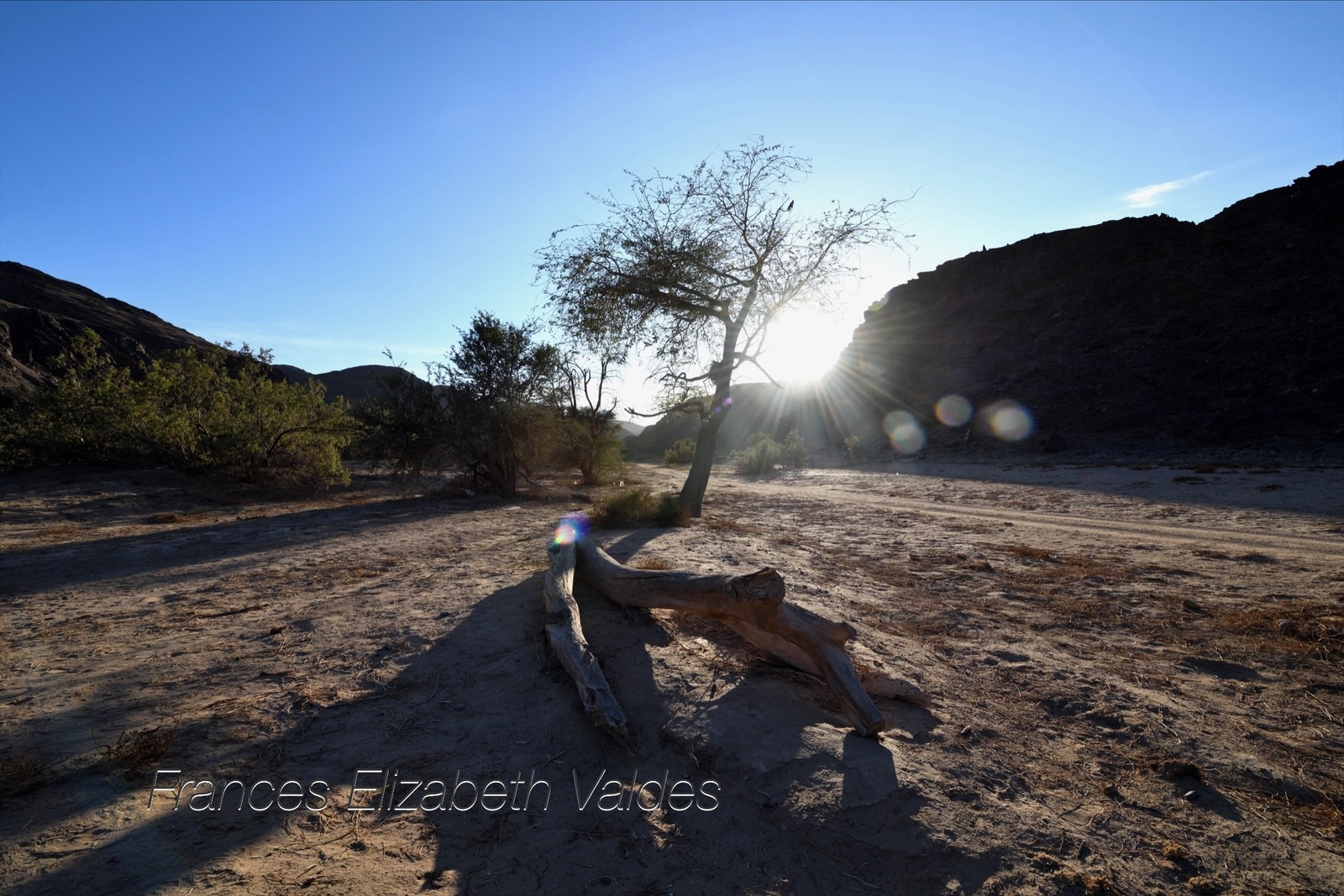
We woke up and realised we weren’t dreaming! We were in the Namib desert. So many times during the Covid years we had imagined this moment.
The sun was beginning to rise, casting light on the Brandberg Massif. The mountain dominates this area. In our tiredness the previous evening we took it for granted, but we were again awestruck.
Brandberg Mountain rises over 2000m above the desert floor. It’s an inselberg (an intrusion of magma) dating back 132 to 130 Ma years, to a time when South America went solo, splitting from Southern Africa and forming the South Atlantic Ocean.
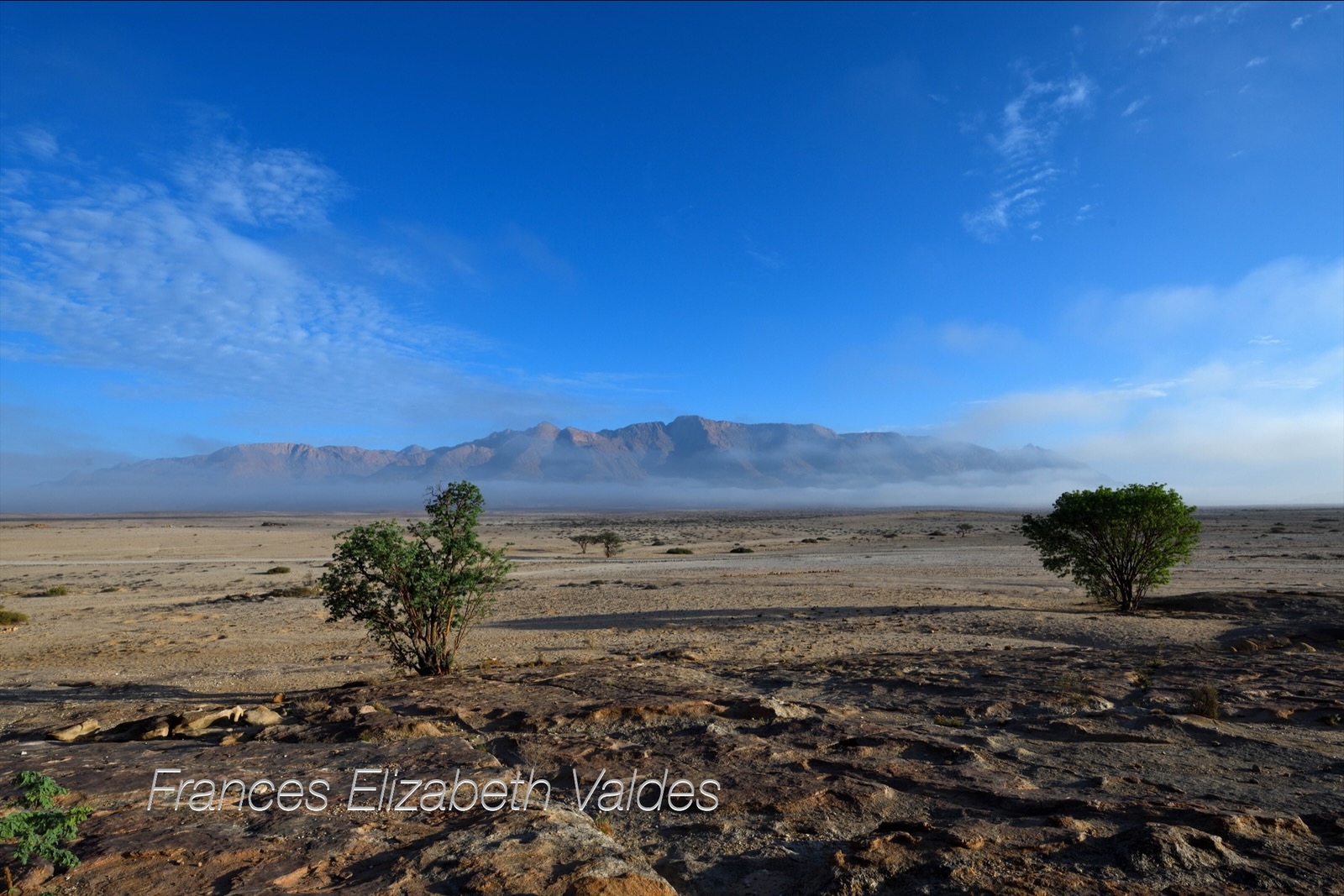
Brandberg changes through the day, making it seem alive. As the sun gets higher, different canyons and rock layers are highlighted. Shadows appear where none were previously. One area will become dark and foreboding, another bright and alive.
It is no surprise Brandberg has a spiritual significance for the San Bushman who used to roam the area.
I never find it possible to grasp Brandberg’s scale. The clear desert air makes objects far away seem close; what seems to be a small hill is actually a massive mountain miles away. Brandberg is impressive close up, but in a way it is more impressive far away. You can drive for miles, between canyons, over plains, to a different area, and still you will catch a glimpse of Brandberg in the distance – a mountain you thought you left behind two days ago
Our first stop after leaving Elephant Rock Camp was the Gobogobos Small Miners – small because of their excavations not their stature! We visited them first in 2018, when we stayed in Uis. I wrote and took photos about that visit which you can read about here.
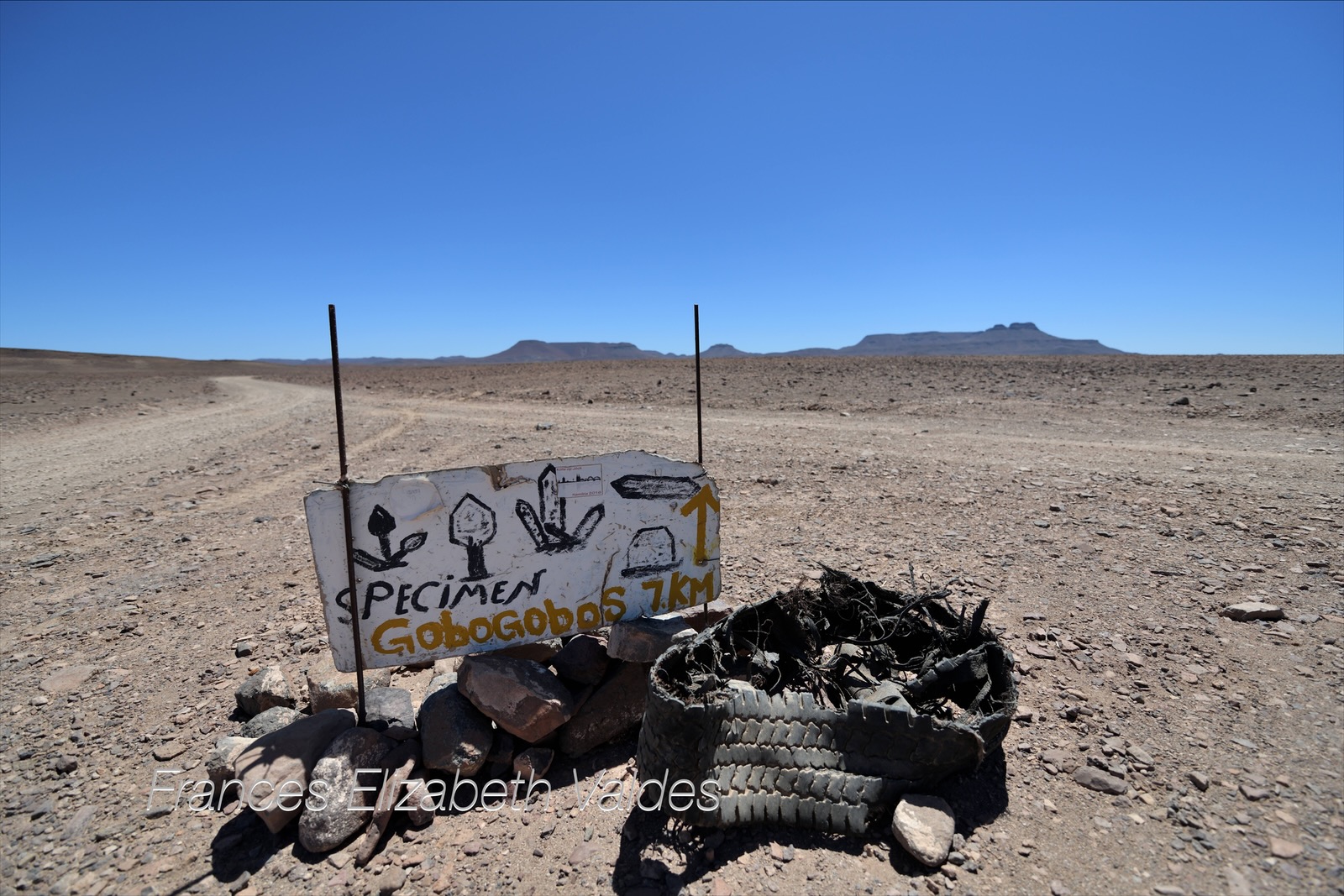
The settlement the miners lived in seemed a little more developed than before. A few, by no means many, had brick walls instead of the plastic sheets we saw previously. As soon as we arrived the miners gathered around us trying to sell their crystals. We asked the young miners if they had a community leader. They seemed unsure, and claimed they all acted for themselves. But, later we found an older person who seemed to have some kind of authority. We gave him some sacks of maize and soup to distribute. During lockdown I’d crocheted numerous toys, and we left some of these to give to the few children in the camp.
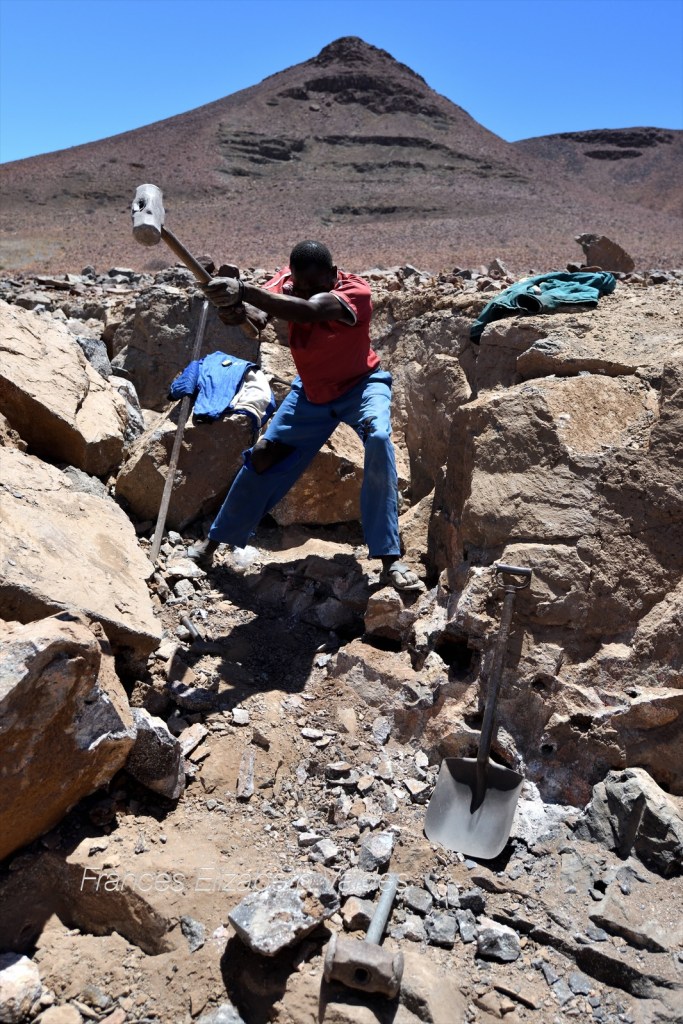
The miners worked mainly at night, when it was cool. They excavated by hand, and had no powered tools. It was an hour’s walk to where the seam was. Occasionally they would want something in Uis (the nearest settlement) and this meant a 24 hour walk risking a possible encounter with desert adapted lions.
The miners we spoke to in 2018 had been goatherds in their village, but came to mine in the hope of bringing home more money. The miners we met this time seemed younger, but perhaps we were just older.
Nigel was looking for crystals with water bubbles in them, called enhydro crystals. They are often found in the Brandberg region. The crystals cool fast and develop air bubbles which fill with a bit of water – water millions of years old. We bought one in a previous year, but Nigel wanted a bigger one. In the end, the ones he bought were actually smaller, and I couldn’t see the supposed water bubbles in them. However, we bought the rocks mainly to give money to the miners rather than, because we had found what we were looking for.
We left the small miners and drove further around Brandberg, stopping for lunch near its base.
Even though we were at Brandberg’s base, we still couldn’t conceive its size. We could only see over the first ridge, and we knew the ridge was a fraction of Brandberg’s overall height.
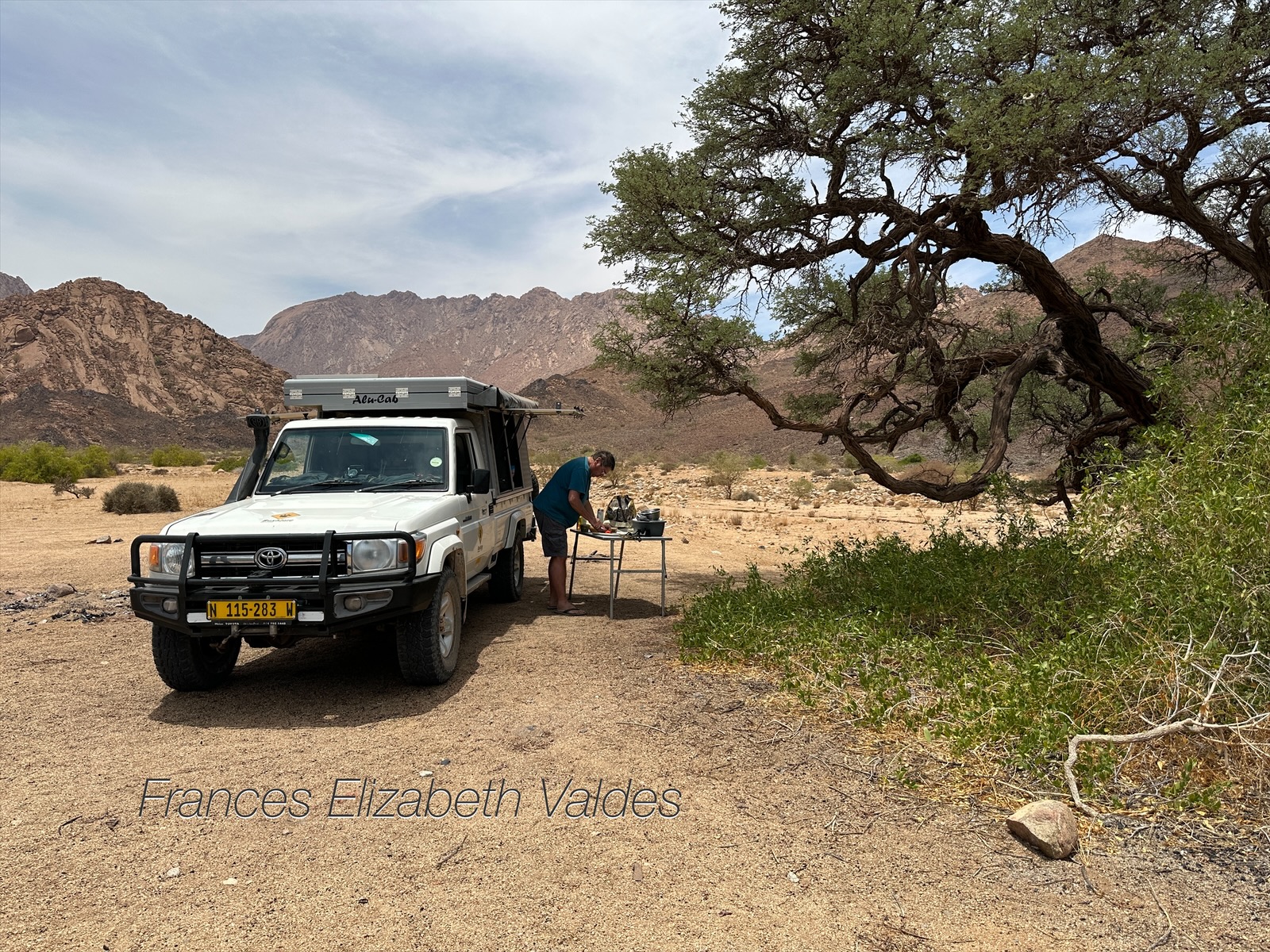
After lunch we entered one of the steep canyons leading away from Brandberg, and towards the Ugab Valley. I had found the canyons interesting when we were here in 2020, but we hadn’t had time to explore them. I was hoping to delve into them a bit more, and spend the night between them and the Ugab.
Each kilometre was leaving behind ‘civilisation’. Graded dirt roads turned into sandy or rocky tracks in the canyon. I had an app on my phone by a company called Tracks4Africa. I wouldn’t have been able to navigate without it. In previous years I had tried to navigate 4×4 tracks using a paper map, and got horribly lost. The app used my phone’s GPS – if I kept the dot (which was us) on the line (which was the track) we got where we wanted to go. Well that usually happened. But, we were so busy chatting, I hadn’t noticed we’d left the canyon. Suddenly, I realised the scenery was more compatible with the dry river, than the canyon leading to it.

We were in the Ugab ephemeral river valley. It was not sensible to camp in the Ugab. It was raining to the East of us, making a flash flood a possibility, We needed to head for Rhino Camp which was a bush camp some way down the Ugab.
We knew there were reed beds between us an Rhino Camp. These are risky, not merely because it is easy to get stuck in them, but the reeds were tall and could easily hide lion and elephant. I adore elephants, and I am convinced they would know this, and not hurt us. But, as we would discover later, they do not take to being surprised. Lions on the other hand, would happily surprise us.
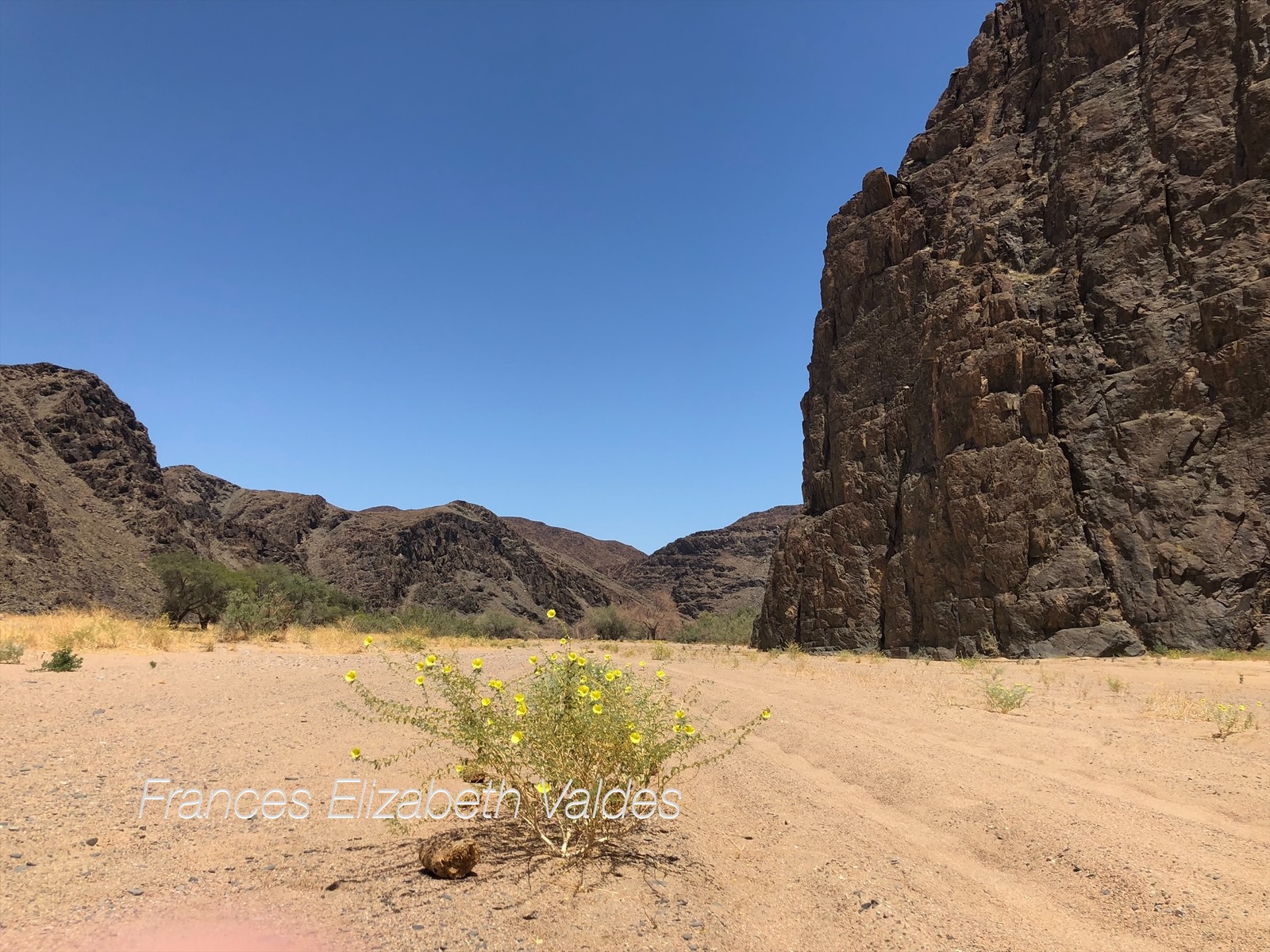
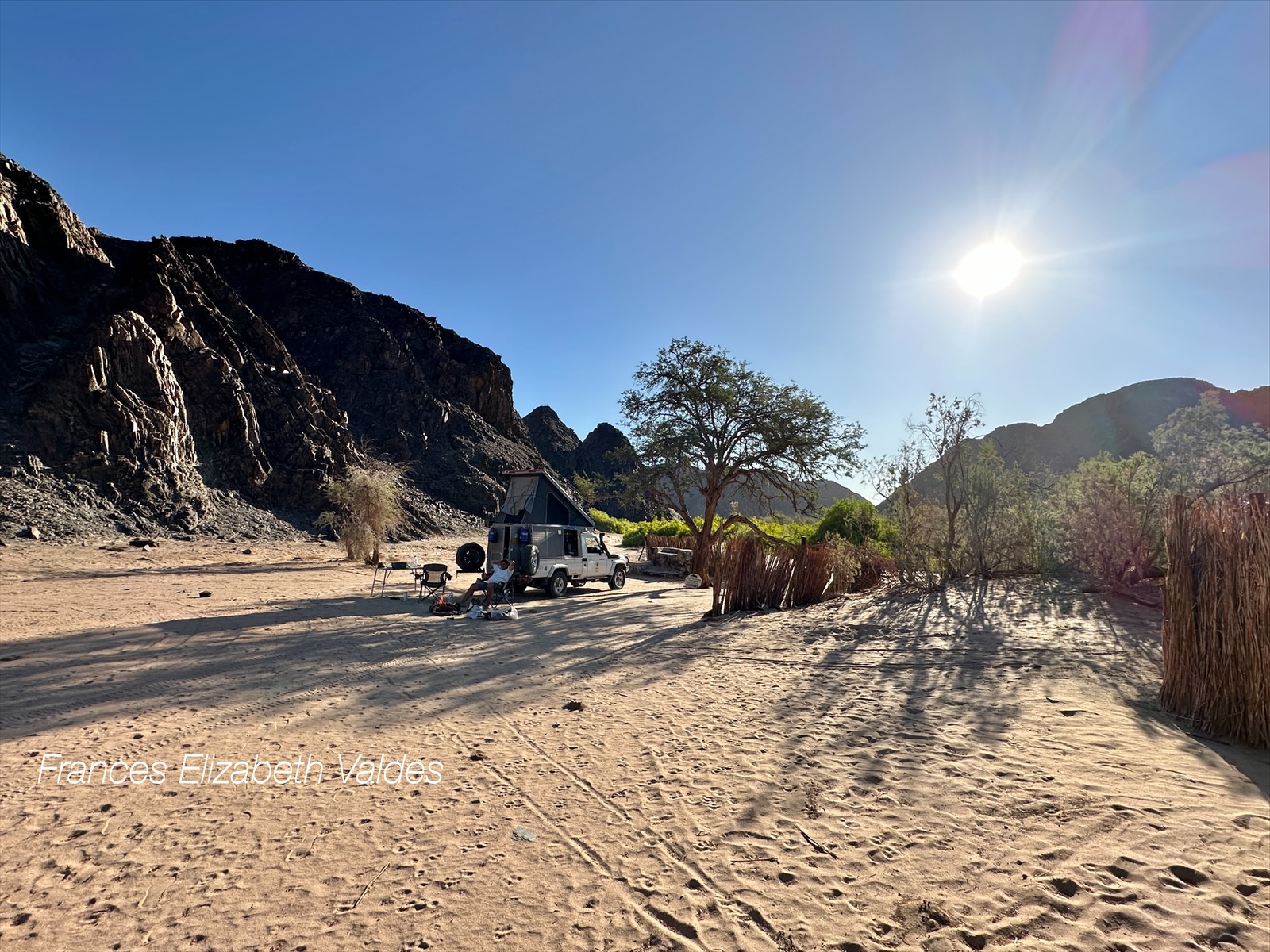
Time became of the essence as we needed to get to Rhino Camp before sunset. Sadly (for the Ugab not us), there hadn’t been rain for some time and the reed beds were not as full as they had previously been. We had no problem making it to Rhino Camp in good time. Good time is being settled before the sun sets, allowing time to shower, start a fire and open the beer.
Rhino Camp is run by the Save the Rhino trust. It is managed by Louise who we first met in 2018, and who was still running it in 2024.
In 2020 the Ugab had briefly flowed blocking our entrance to Rhino Camp. Louise very kindly waded through the flood, showing us where to drive to ford the river.
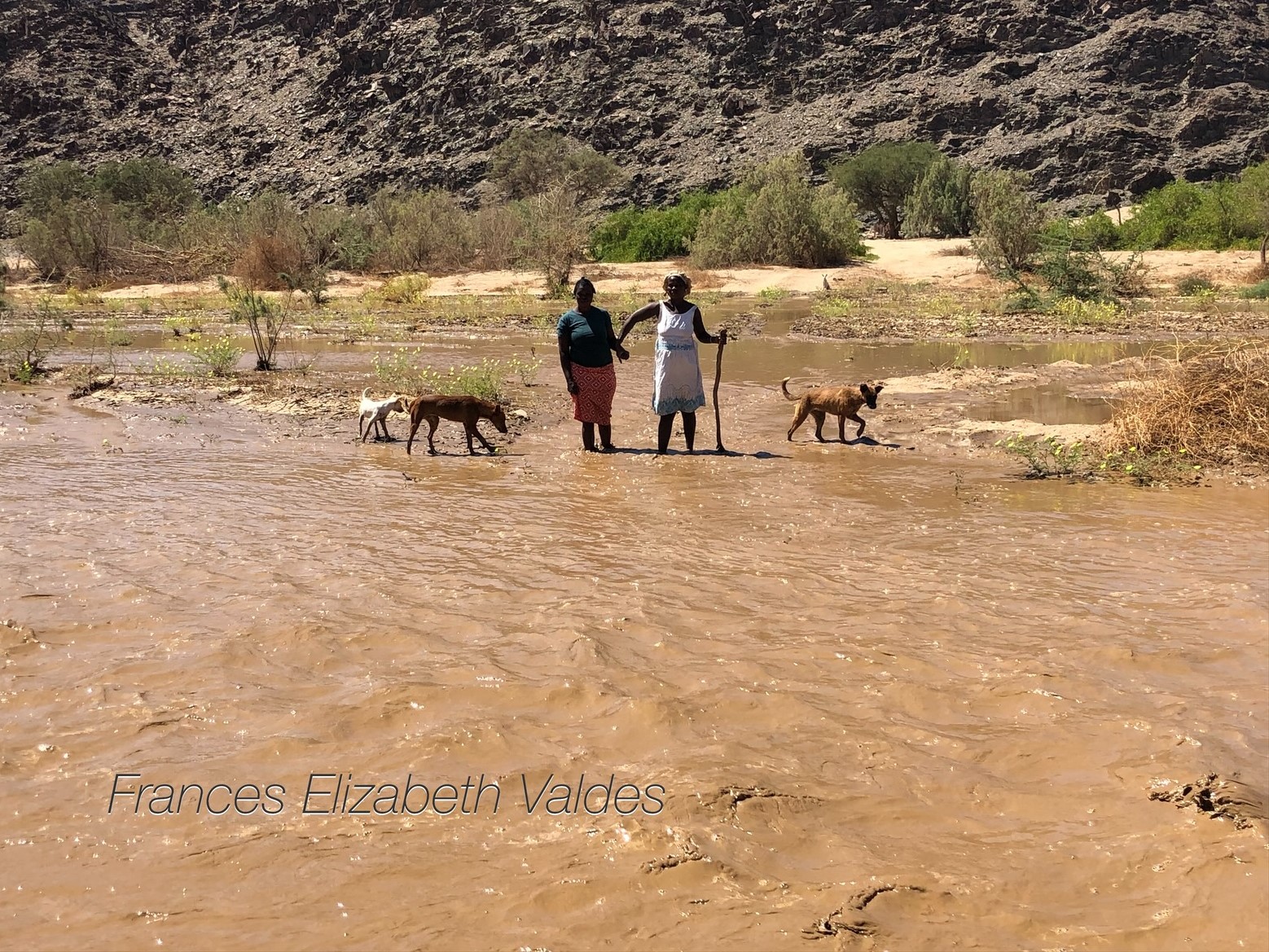
I think it was one of the dogs in the photo, who later became a lion’s dinner for a lion
Rhino Camp seemed run down. In 2020 there were about six pitches with around four bush showers and toilets. Now there was only one shower and toilet. It had closed during Covid, and Louise went to live with her husband, who is a rhino ranger at the Palmweb rhino headquarters.
Rhino Camp opened up after Covid, but a lion had taken up residence. It attacked one traveller, and ate Louise’s dog. They closed again until the lion had been caught and relocated. I’m not a dog lover (I’m an unashamed cat lady), but it was comforting to know that Louis’s remaining dogs would bark and alert us if lion re-appeared. We never had this problem campervanning in Europe.
We had a lovely shower and settled down to watch the sun set. It did.
 Desert Wonderers