Elephant Song – Hoanib – Fairy Circles – Purros
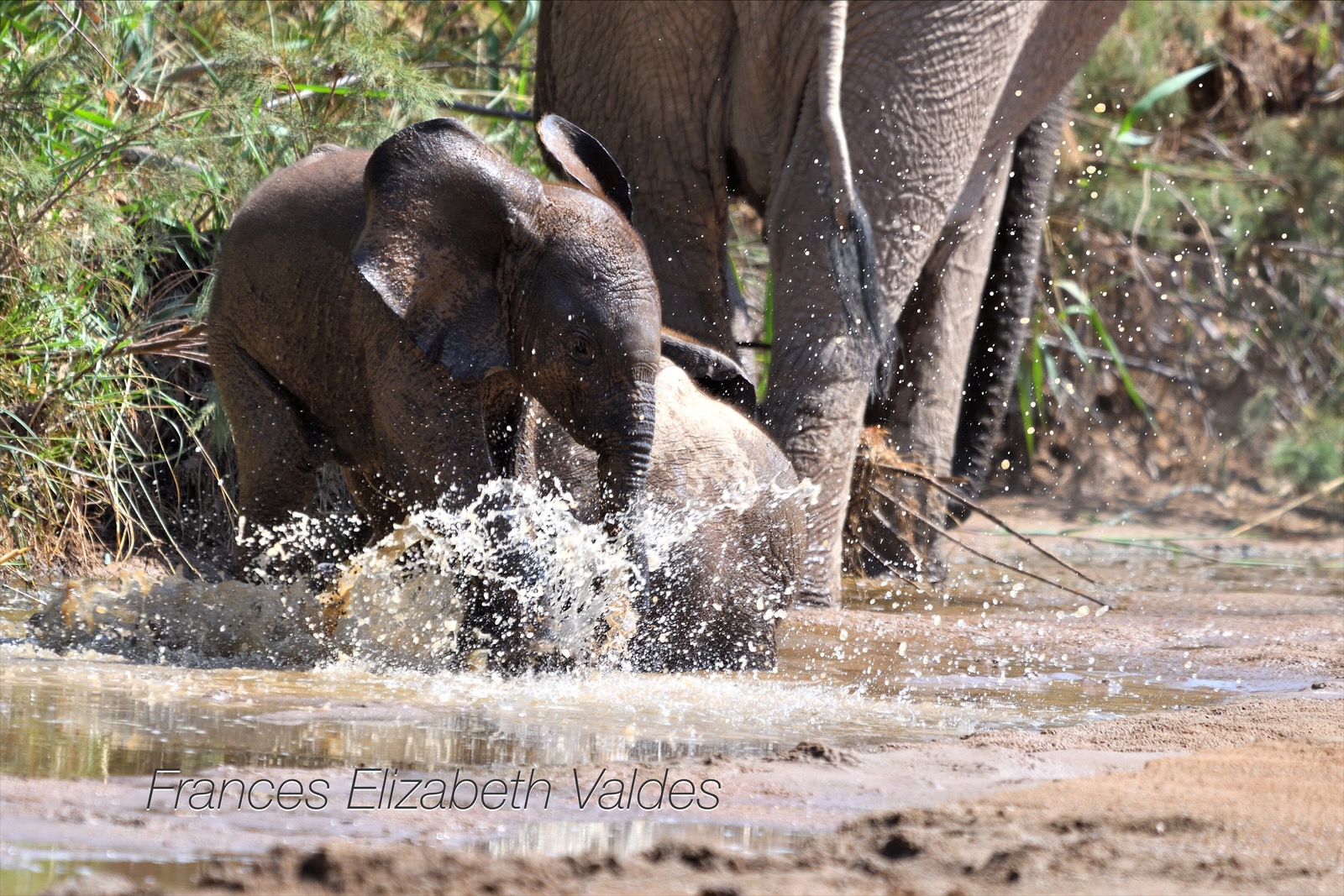
In the morning we left Elephant Song – again and went looking for our elephants. We found a lone elephant with a baby. Just as we found her, Stompie the matriarch (and her mother) arrived. Stompie went over to her daughter and wrapped her trunk around her daughter’s trunk. She leaned her head against her daughter’s. It was as if they had got separated in last night’s sandstorm, and they were now reunited. It was beautiful to see.


Some of the baby elephant photos – use the left and right arrows to scroll through them
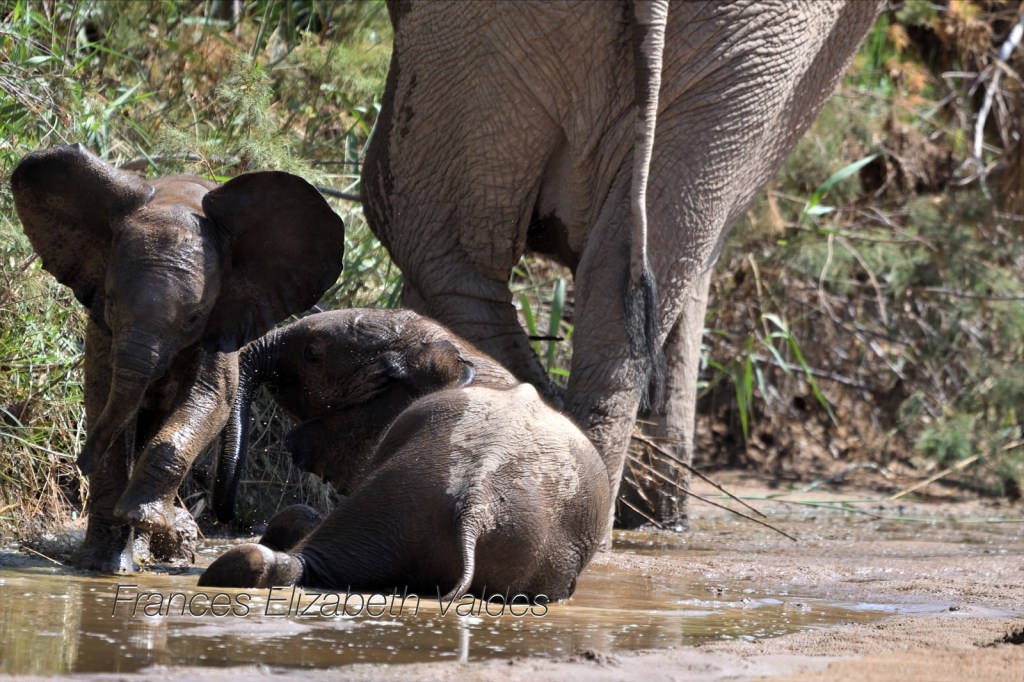
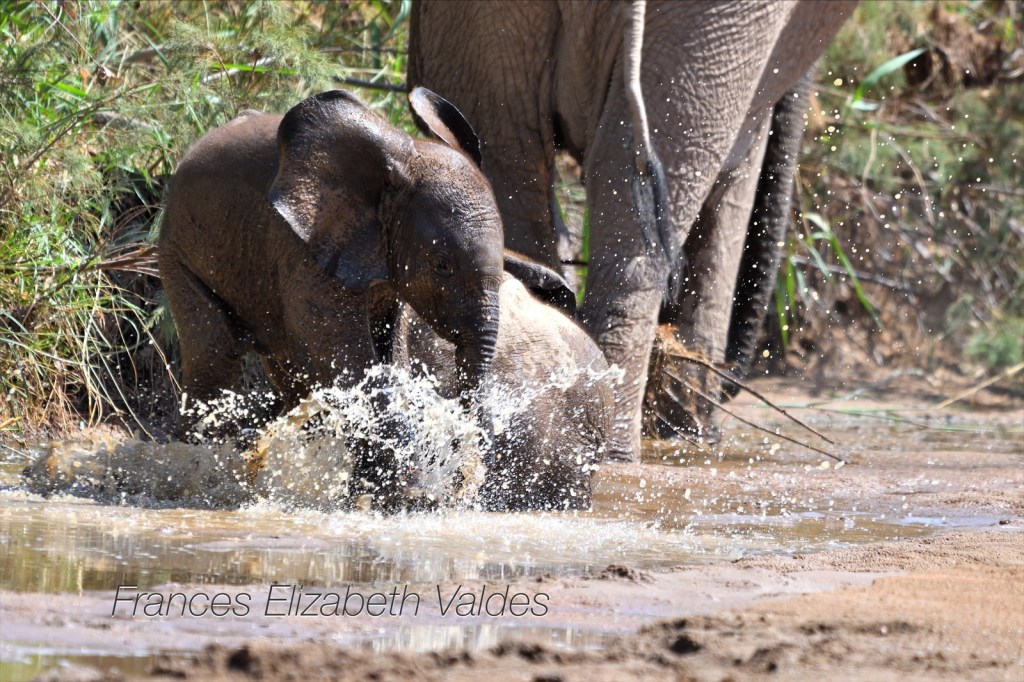

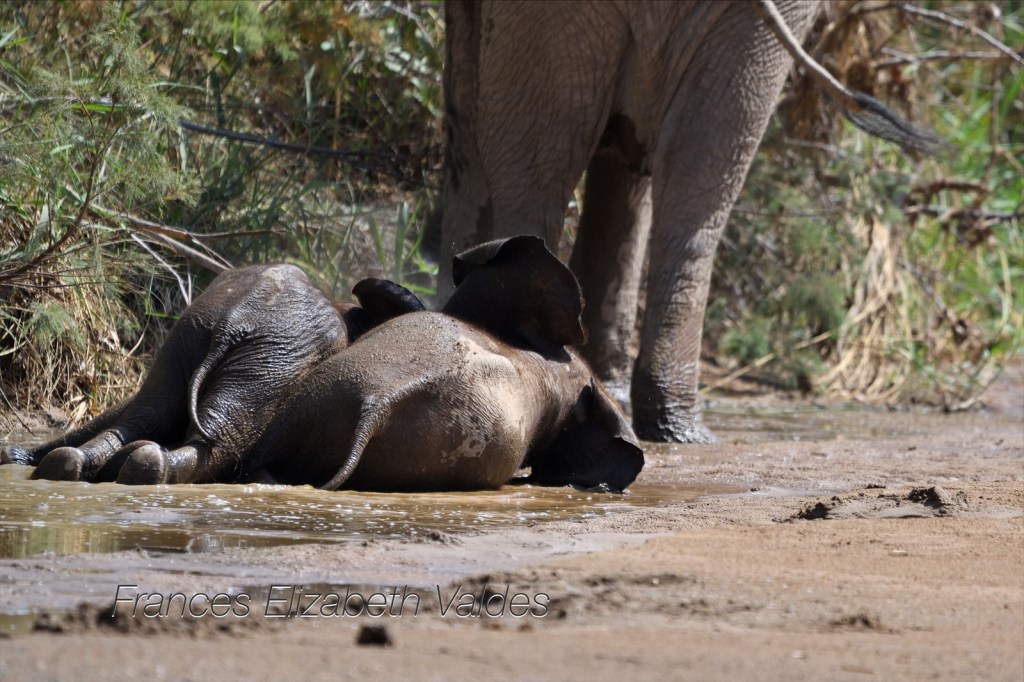


Later we saw the calves were playing in a pool of water, which was so sweet. I cannot get enough of elephants. I love watching their interactions. Perhaps I’m anthropomorphising their behaviour, but they seem so intelligent and empathetic.
We were going to try again to visit Purros. This time we took a different route without the awful washboard road we had tried before. Originally, we intended to wild camp on route, but we ended up going all the way to Purros in one hit. Purros makes Sesfointein seem like a megalopolis.

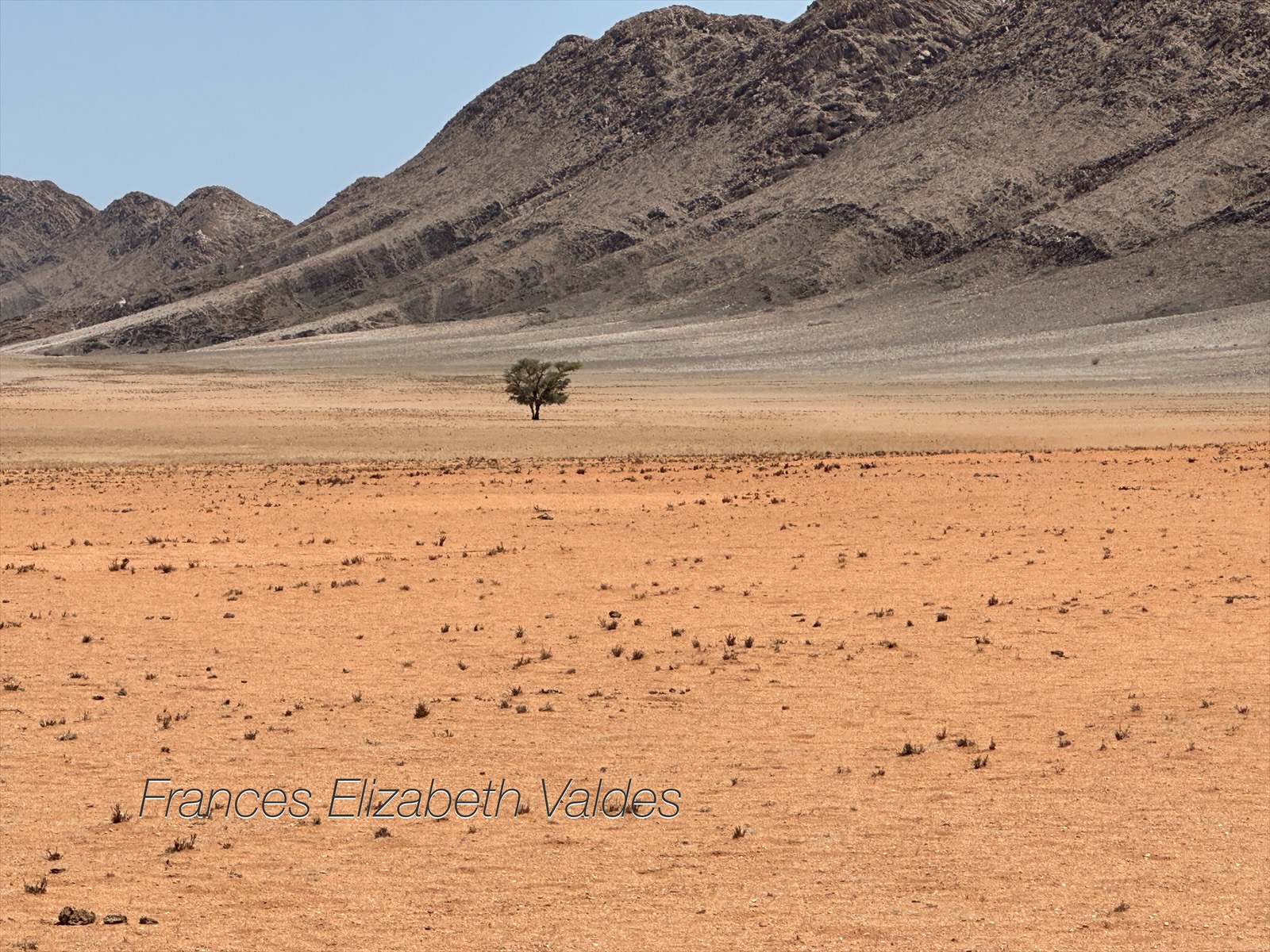
On the way to Purros we tried to find the route we took in 2020, because it took us past some fairy circles. We had heard about them, but discovered them by chance.
This year we didn’t immediately find them, but I stopped to take a photo of a lone tree in a sandy desert floor, and we spotted some.
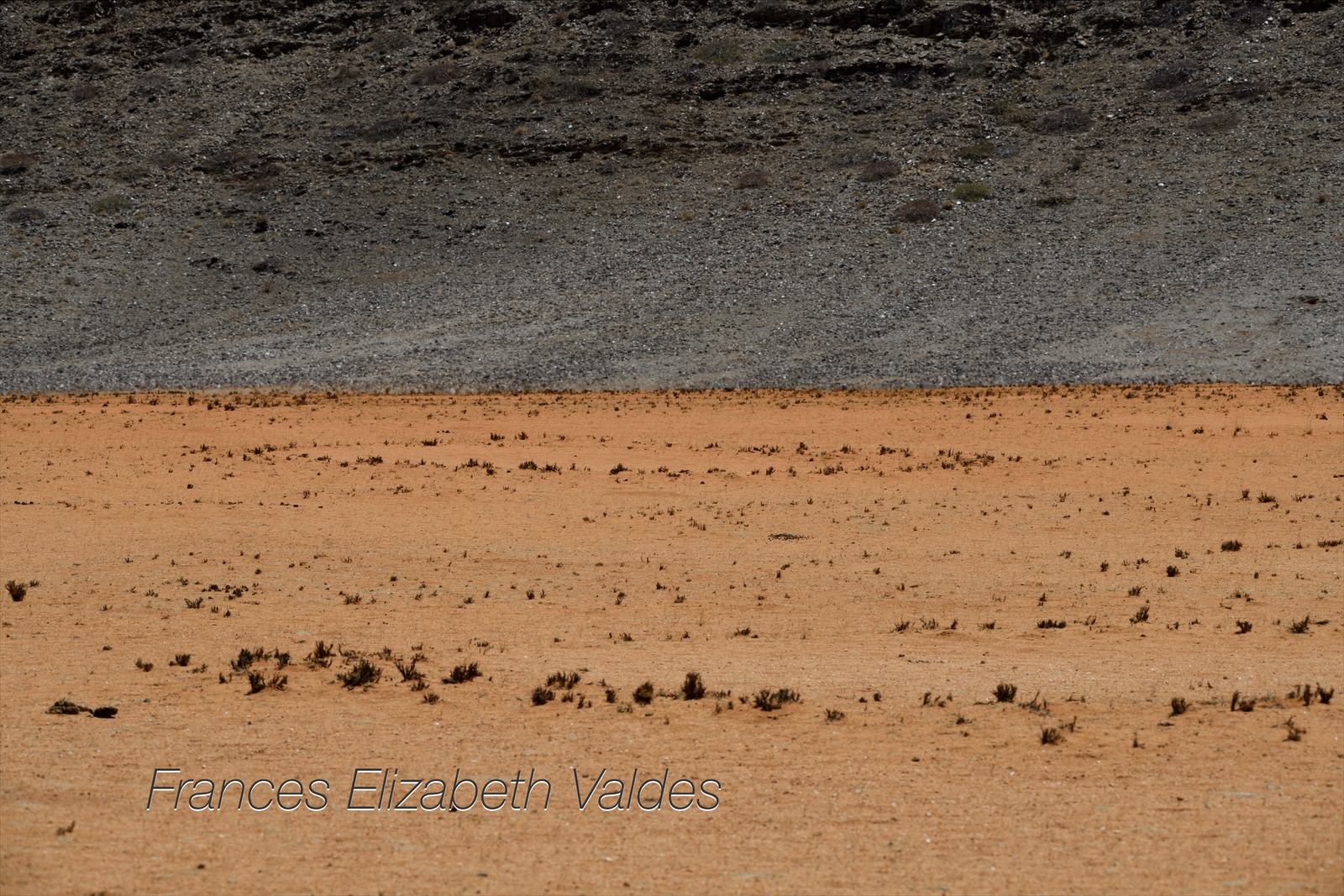
In 2020 the fairy circles seemed more defined, so perhaps it wasn’t the same area. Fairy circles have appeared in various places across the world, and have puzzled scientists. The current theory for Namibian fairy circles is that plants in the area are in such competition for water, that they deplete a circle around them.
We arrived in Purros towards the end of the afternoon. I was sure there were less shacks and signs of development than there had been in 2020. Everywhere we’ve visited seems more run down. In 2020 there was a giraffe leg in the middle of the village – an entire leg and thigh which must have weighed over 250kg. Nigel couldn’t get over that. I had got to the stage in my visits to Africa that nothing surprised me! The villagers told us that lions had killed it, but that didn’t explain why they, and the lions, had left the leg. I have a sneaking suspicion that the only reason Nigel wanted to come back was to see if the leg bones were still there.
Purros has a lovely campsite on a river. We were told the river was in flood, but news travels slowly, and it turns out that was a couple of weeks ago.
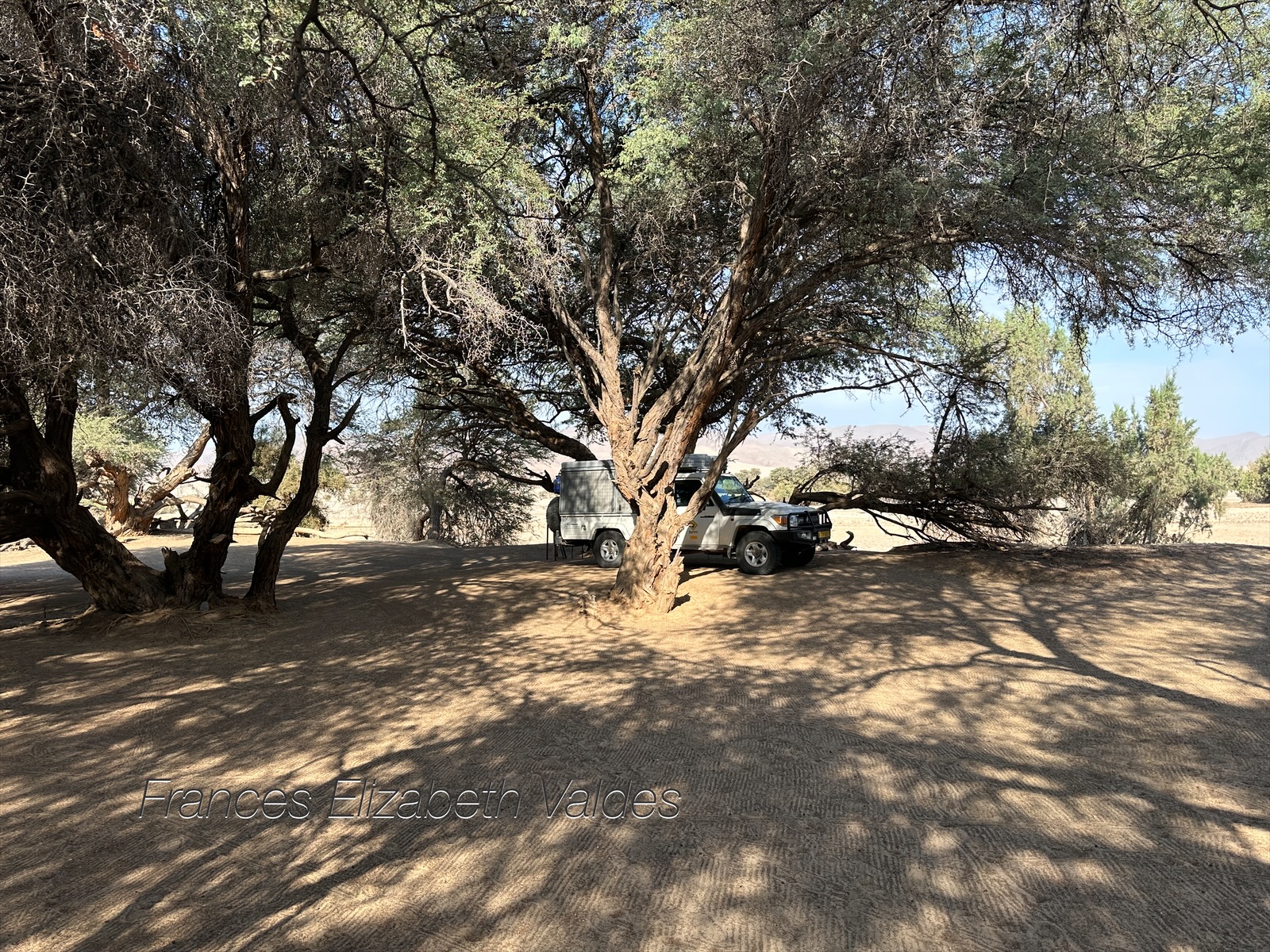
We lit a campfire overlooking the river bed and towards the distant mountains. The sun set with a bird is making a cawing noise in the distance. I could hear squabbling Guinea fowl. They seem to come out in the open just before dusk. They move on the ground like chickens. Guinea fowl travel in a group, but not a happy one. There is always a fight, with a lots of noise, dust and birds in the air. Then it all dies down until the next squabble. I didn’t see them as the sun set, but I knew they were there because of the sound of their squabbling.
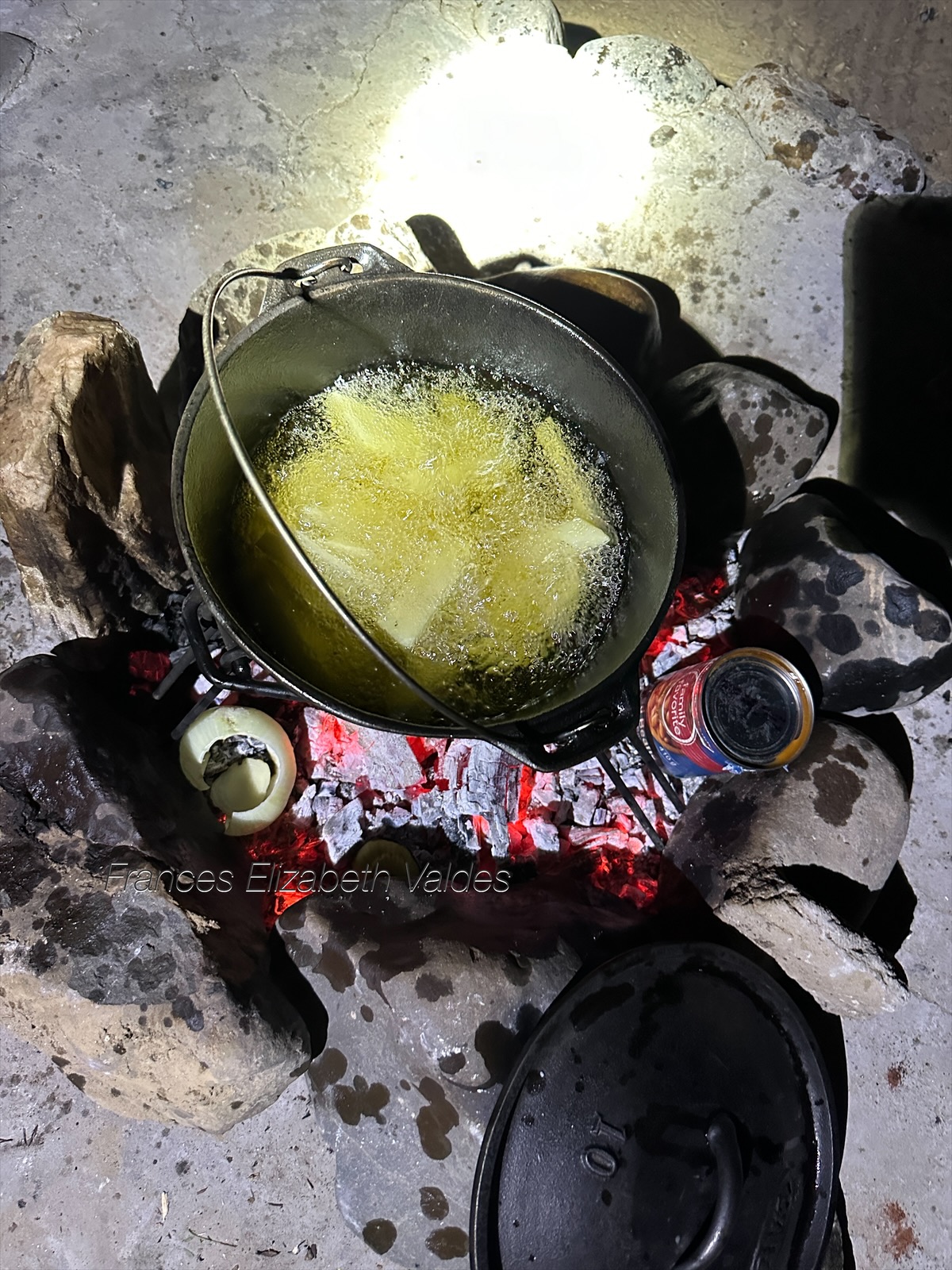
A couple of teenagers passed the camp herding three goats. The temperature was perfect, and Nigel cooked me bush chips over the campfire. There was a full moon rising over the desert. It didn’t get much better than this, unless some ellies appear!

 Desert Wonderers